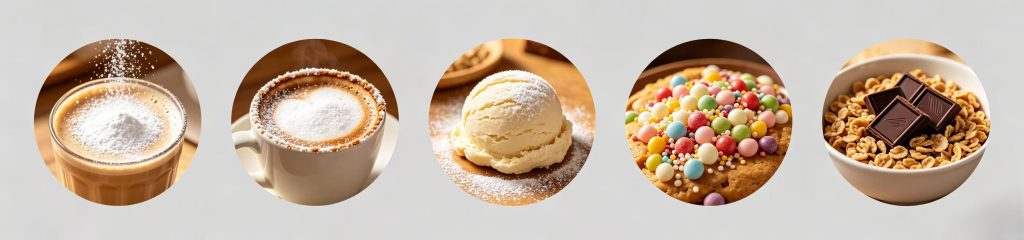
Polydextrose is a low-calorie, water-soluble dietary fiber made from glucose, sorbitol, and citric acid through high-temperature condensation. It contains only about 1 kcal/g, far lower than regular sucrose.
Core Physiological Benefits
▲ Regulates Gut Health: As a prebiotic, it promotes the growth of bifidobacteria and lactic acid bacteria, absorbs water and swells to increase stool volume, bidirectionally regulating constipation and diarrhea, and shortening intestinal transit time.
▲ Aids in Blood Sugar and Lipid Control: It slows down sugar absorption, reducing postprandial blood sugar fluctuations; it adsorbs bile acids, promoting cholesterol excretion and helping to regulate blood lipid levels.
▲ Weight Management: After absorbing water, it forms a gel that prolongs gastric emptying, enhances satiety, reduces subsequent food intake, and can be used as a low-calorie alternative to high-sugar and high-fat ingredients.
▲ Promotes Mineral Absorption: It ferments in the intestines to produce short-chain fatty acids, lowering intestinal pH and increasing the solubility and absorption rate of minerals such as calcium and magnesium.
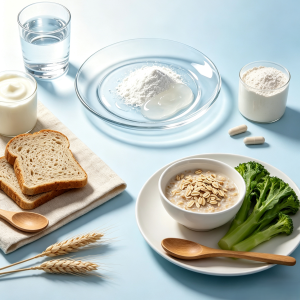
Main Application Scenarios
▲ Food Industry: Widely used as a thickener and filler in beverages, baked goods, and low-sugar meal replacements to improve taste while reducing calorie content.
▲ Health Supplements: Often added to laxative products, such as the commonly available aloe vera polydextrose capsules, to improve intestinal function.
▲ Special Diets: Suitable for diabetics as a low-glycemic index food with a glycemic index of only 5-7, preventing significant fluctuations in blood sugar.
Resistant dextrin is a low-molecular-weight, water-soluble dietary fiber made from edible starch through a specific process. It belongs to the low-calorie dextran category.
Key Characteristics
▲ Appearance: White to pale yellow powder with a slightly sweet taste. It is highly water-soluble; a 10% aqueous solution is transparent or pale yellow, with a pH of 4.0–6.0.
▲ Extremely low in calories (approximately 1-2 kcal/g), it is heat-resistant, acid-resistant, and freeze-resistant. Its aqueous solution has low viscosity and high stability.
Main Health Benefits
▲ Regulating Blood Sugar and Lipids: It slows down sugar absorption, inhibits the rapid rise in postprandial blood sugar, and simultaneously binds to bile acids to promote cholesterol metabolism.
▲ Improving the Gut Environment: As a prebiotic, it stimulates the proliferation of beneficial bacteria such as Bifidobacteria, relieving constipation and diarrhea, and maintaining intestinal barrier function.
▲ Aiding Weight Management: After absorbing water and swelling, it increases satiety, reduces the intake of high-calorie foods, and helps control weight.
▲ Promoting Mineral Absorption: The short-chain fatty acids produced during fermentation can lower the intestinal pH, increasing the absorption rate of minerals such as calcium and magnesium.
Common Applications
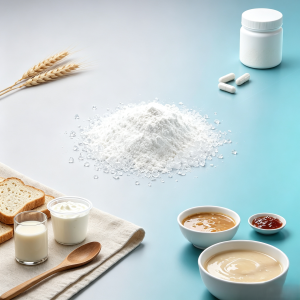
▲ Food Industry: Added to beverages, yogurt, and baked goods to increase dietary fiber content without compromising texture.
▲ Health Supplements: Formulated into powders and capsules as a daily dietary fiber supplement.
▲ Daily Diet: Replaces some sugar or starch for thickening homemade jams and soups.
Inulin is a natural soluble dietary fiber and a prebiotic. It is a reserve polysaccharide found in plants, its core composed of D-fructose polymerized through β-(1→2) glycosidic bonds. It typically appears as a white, amorphous powder, soluble in hot water, and is extremely low in calories, hardly directly digested or absorbed by the human body.
Main Natural Sources
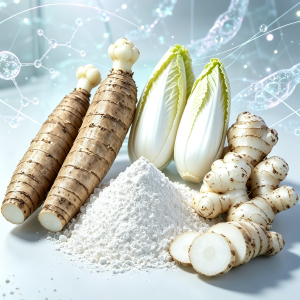
Inulin is widely found in over 36,000 plant species. The core raw materials for commercial production are chicory and Jerusalem artichoke, with their roots containing 15%–20% inulin. Common foods such as onions, garlic, bananas, and wheat also contain small amounts of inulin.
Core Characteristics and Health Benefits
▲ As a prebiotic, it can promote the growth of beneficial bacteria such as Bifidobacteria in the gut, regulate gut flora balance, improve constipation, and maintain gut health.
▲ Low in calories, does not raise blood sugar, can slow down sugar absorption, help control postprandial blood sugar, and increase satiety, making it suitable for people trying to lose weight.
▲ It promotes the absorption of minerals such as calcium and magnesium in the intestines, and long-term intake helps improve bone health.
Common Application Scenarios
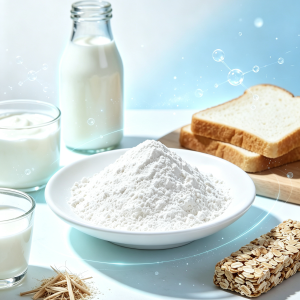
Inulin is widely used as a food ingredient. It can replace some of the fat in the production of low-fat foods. It can also be added to dairy products, baked goods, and beverages to improve the texture and taste of the products, while increasing the dietary fiber content. It is a functional dietary supplement ingredient approved for use in many countries.